












About this Book
** This item is eligible for free delivery worldwide**
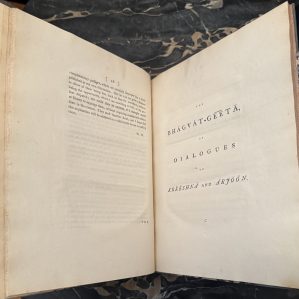
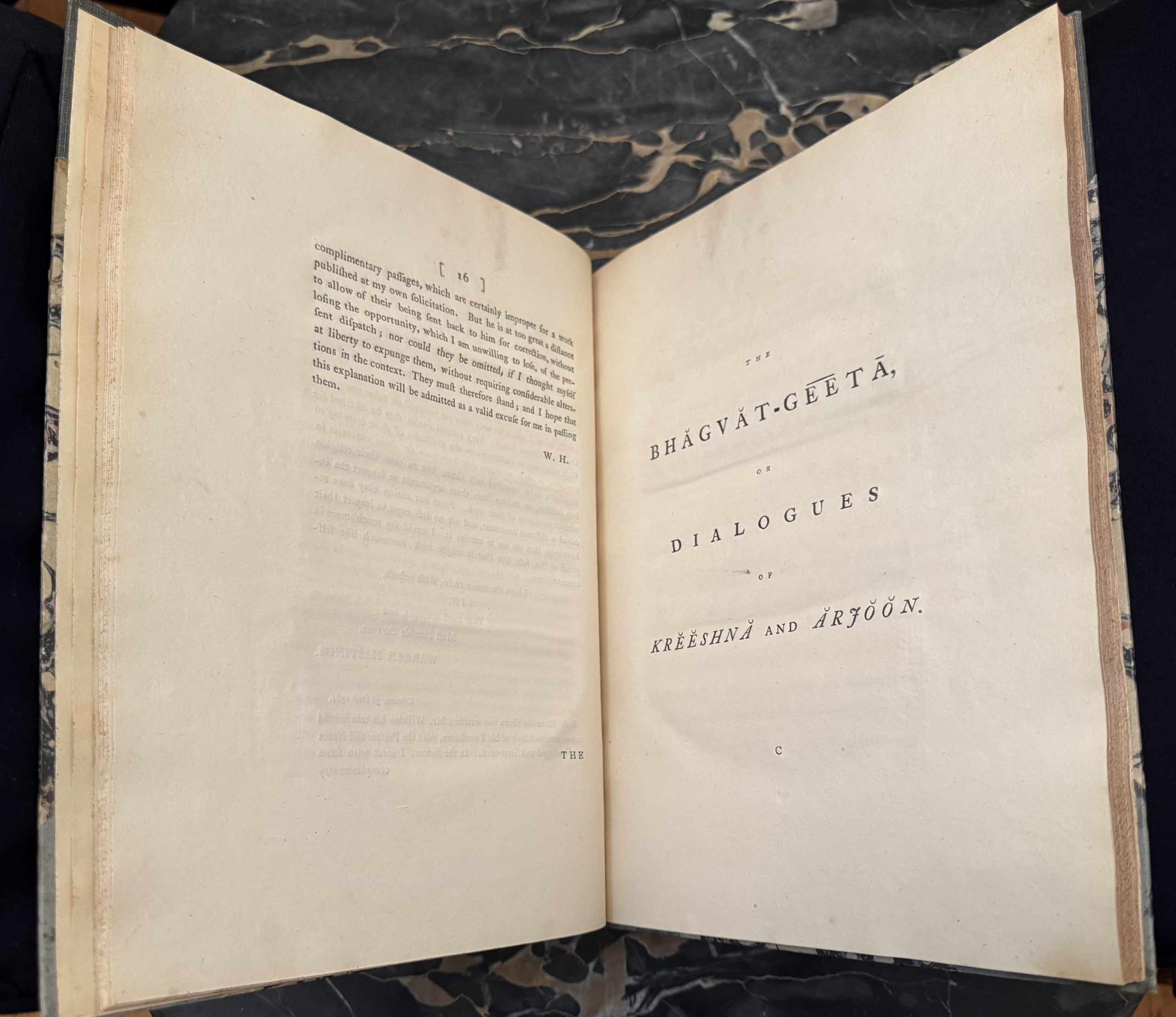
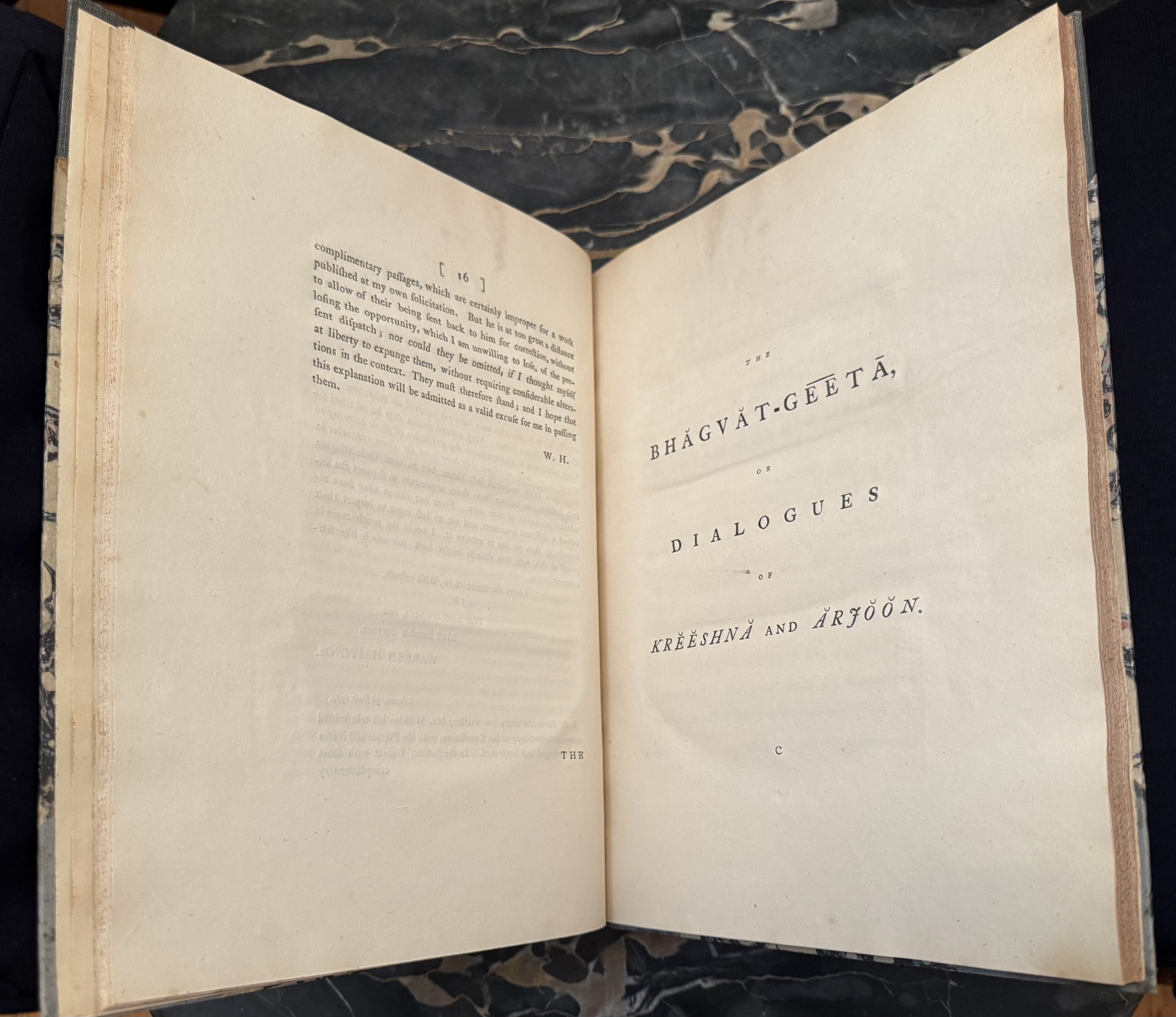
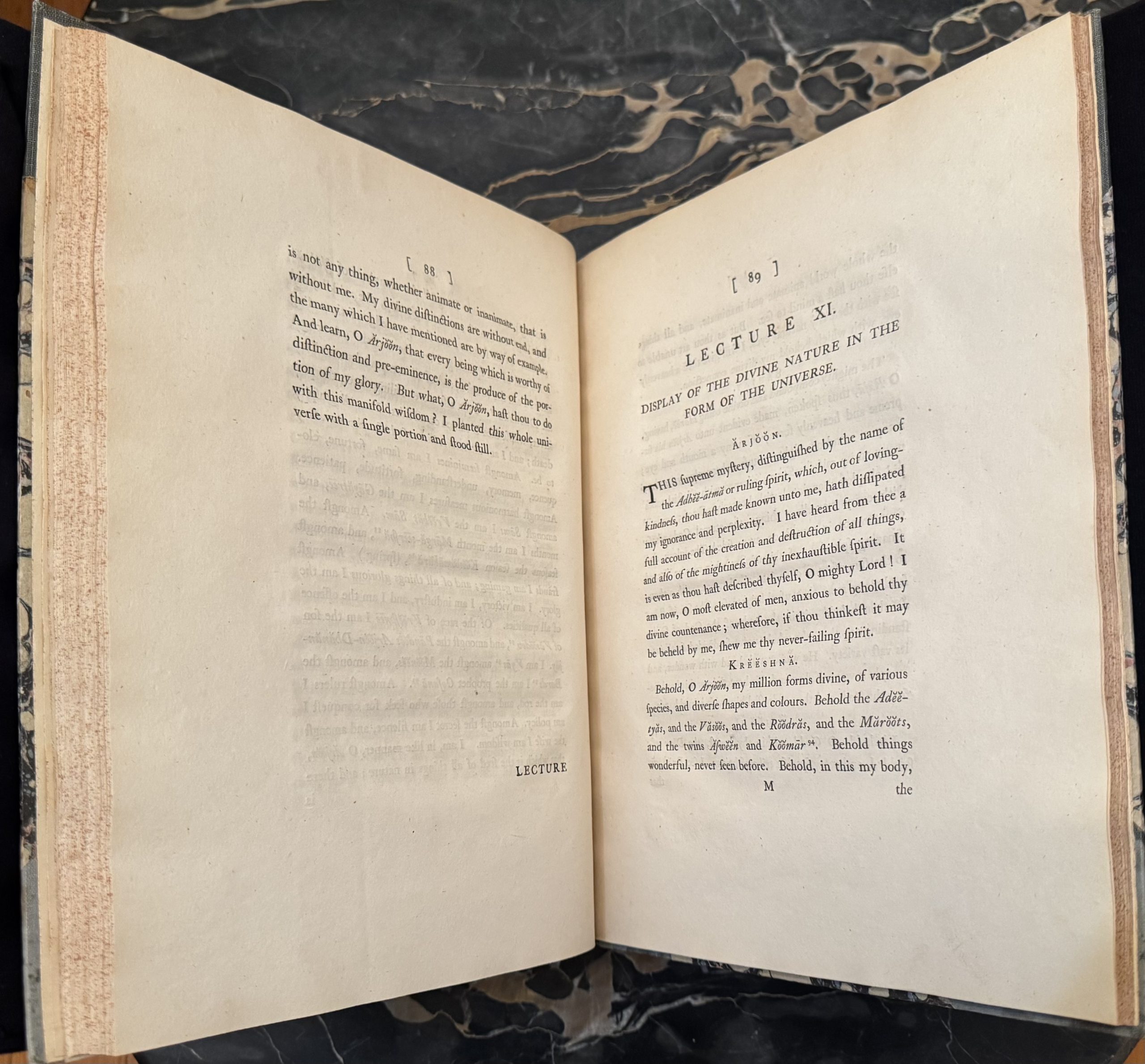
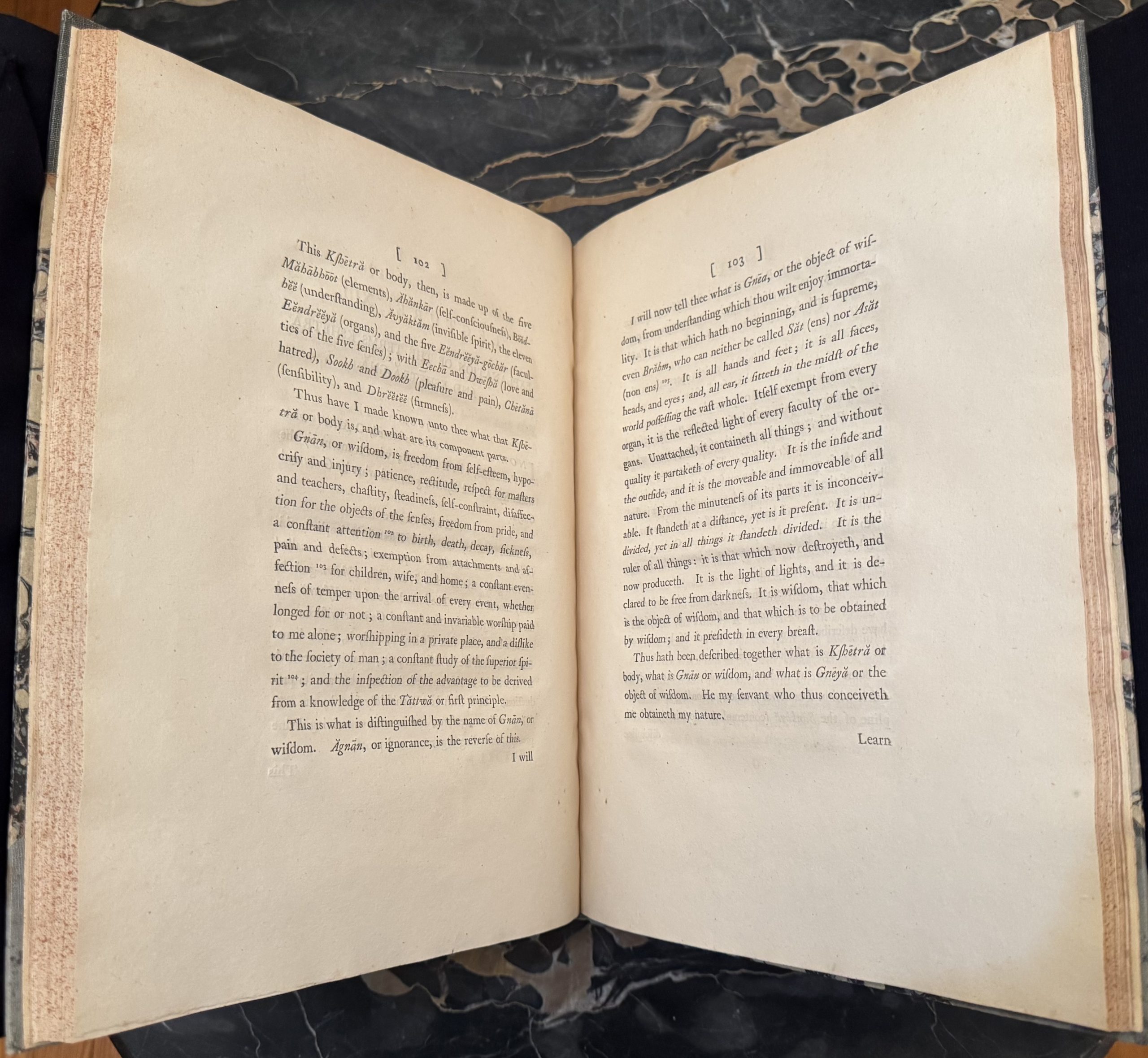
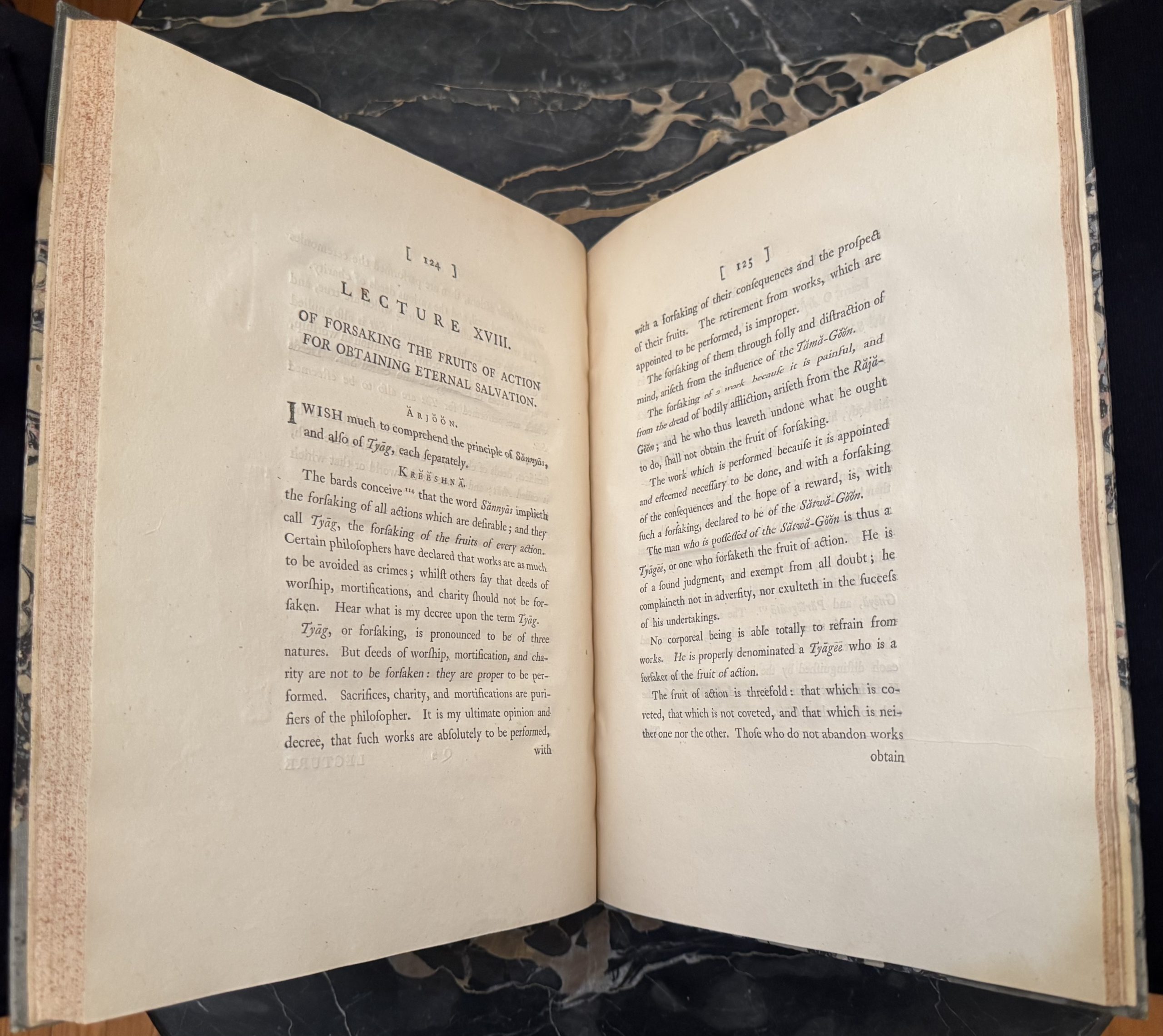
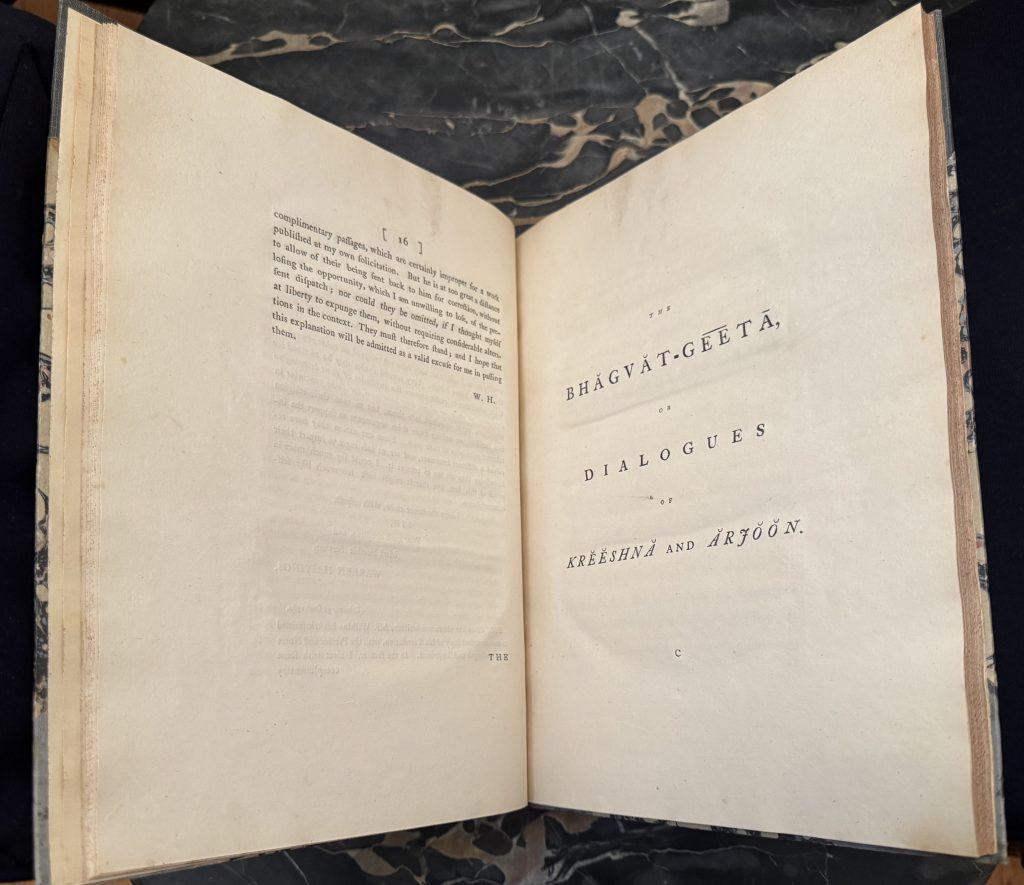
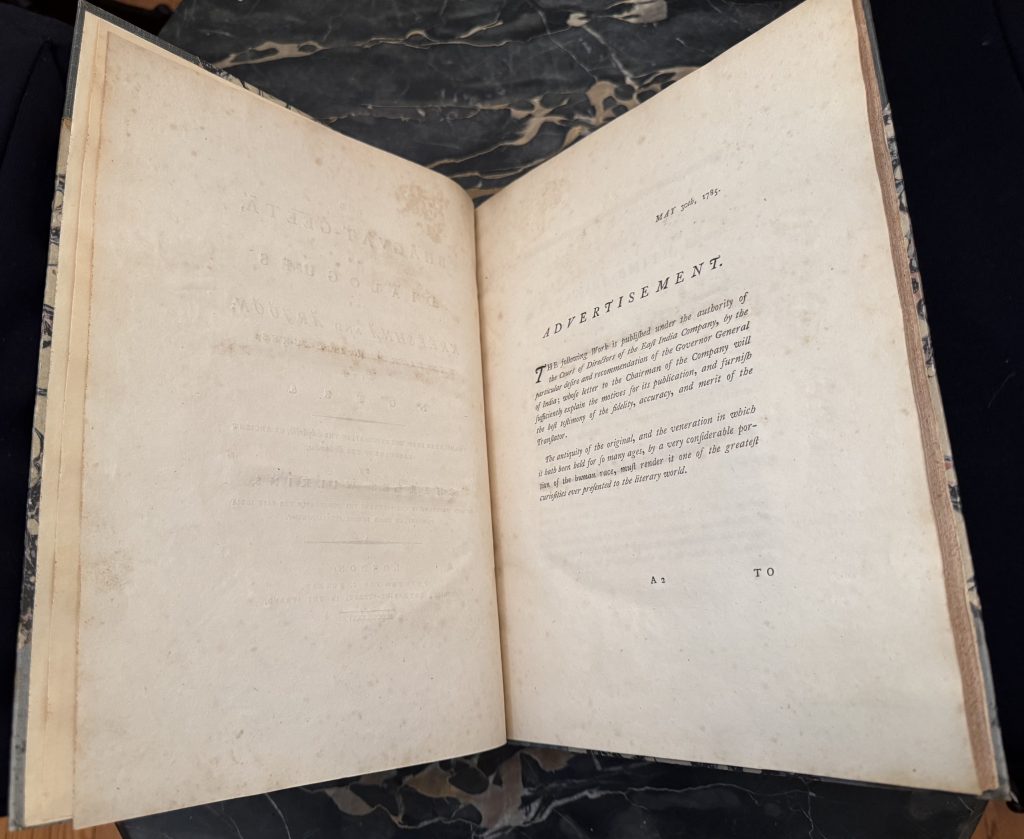
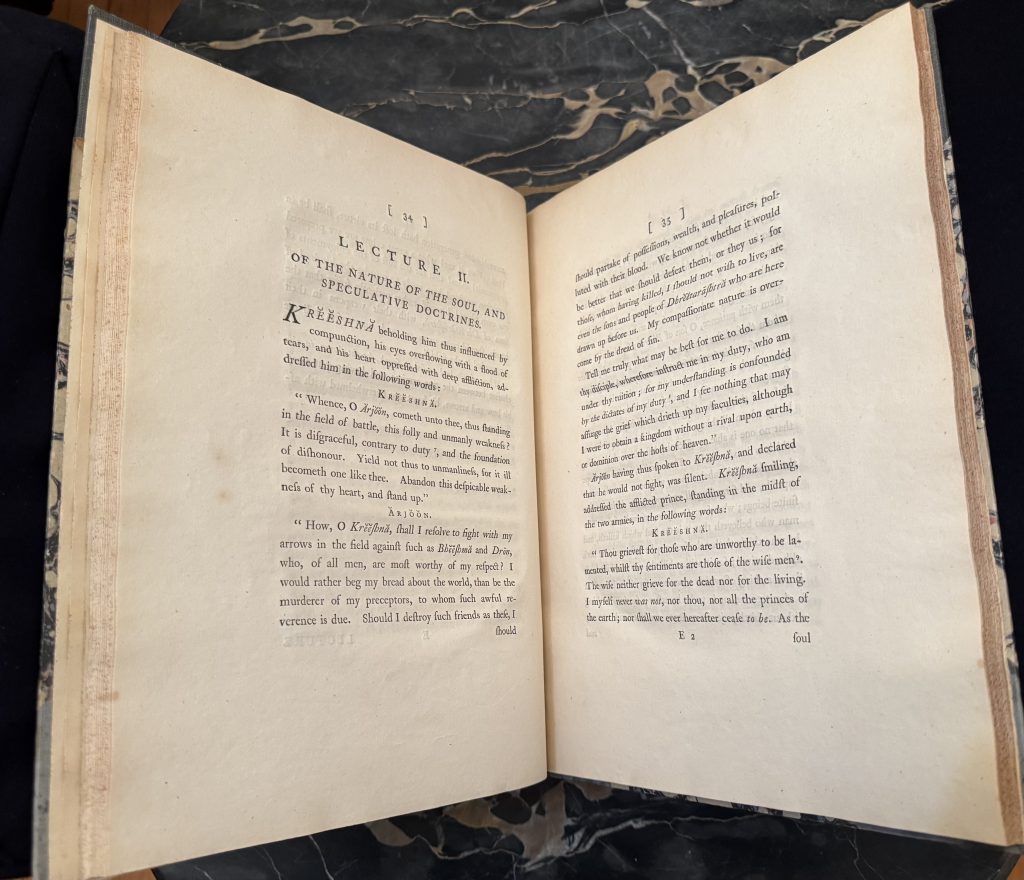
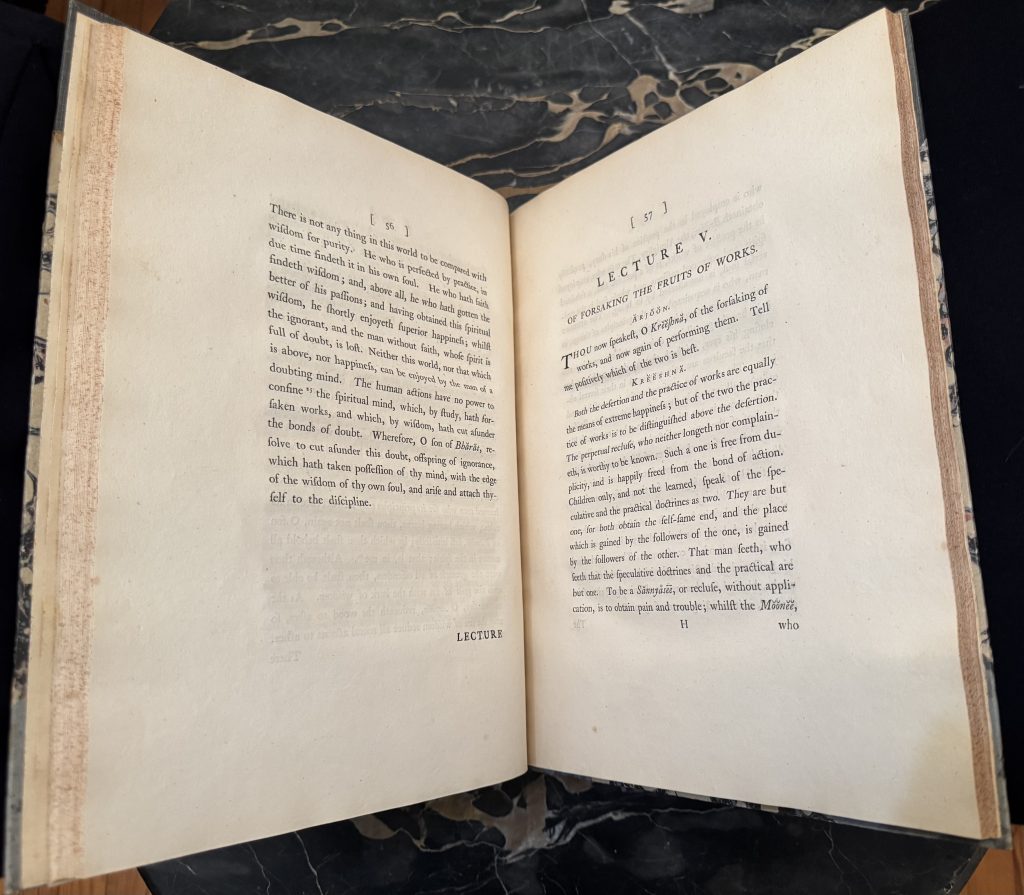
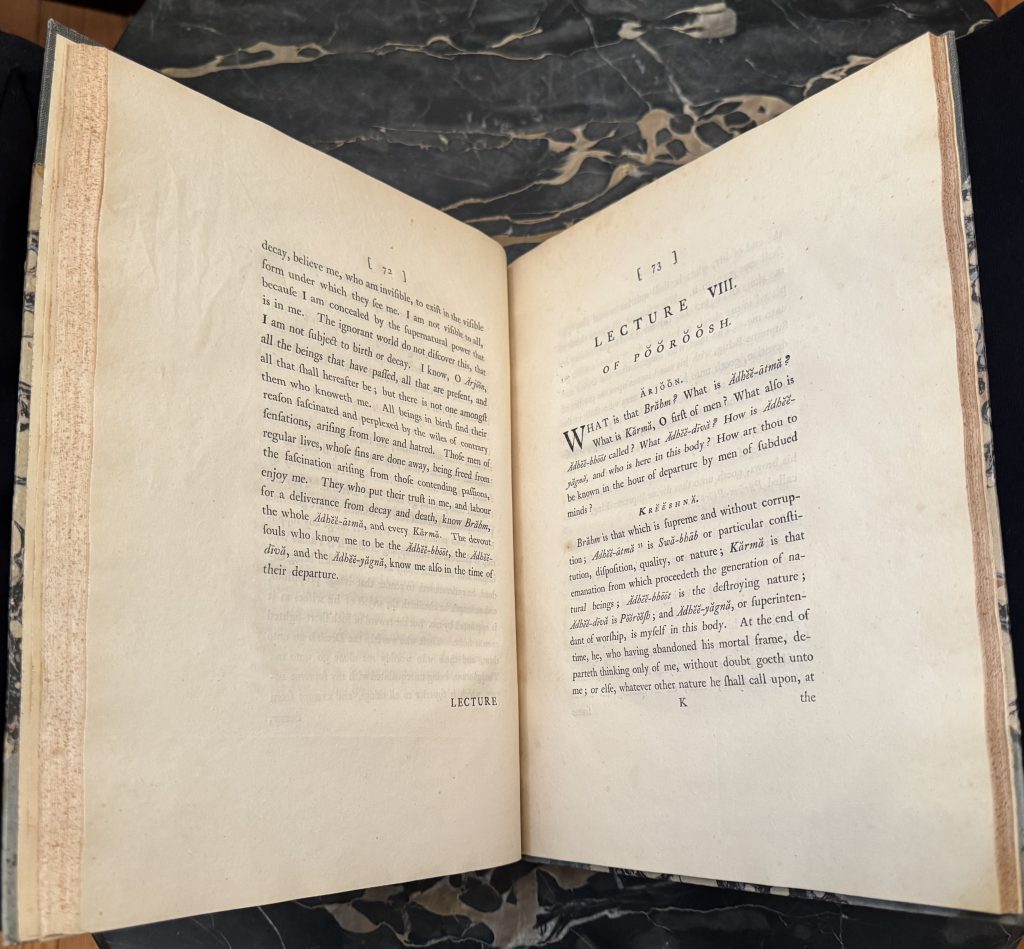
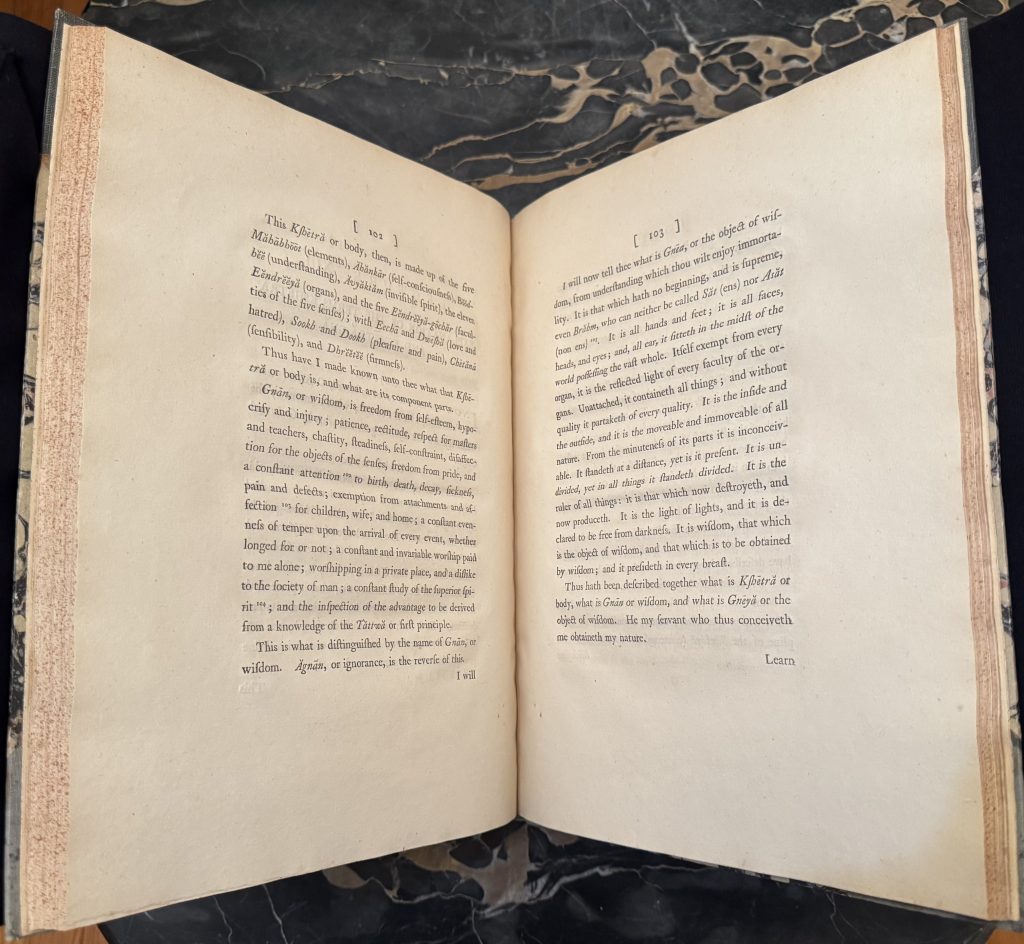
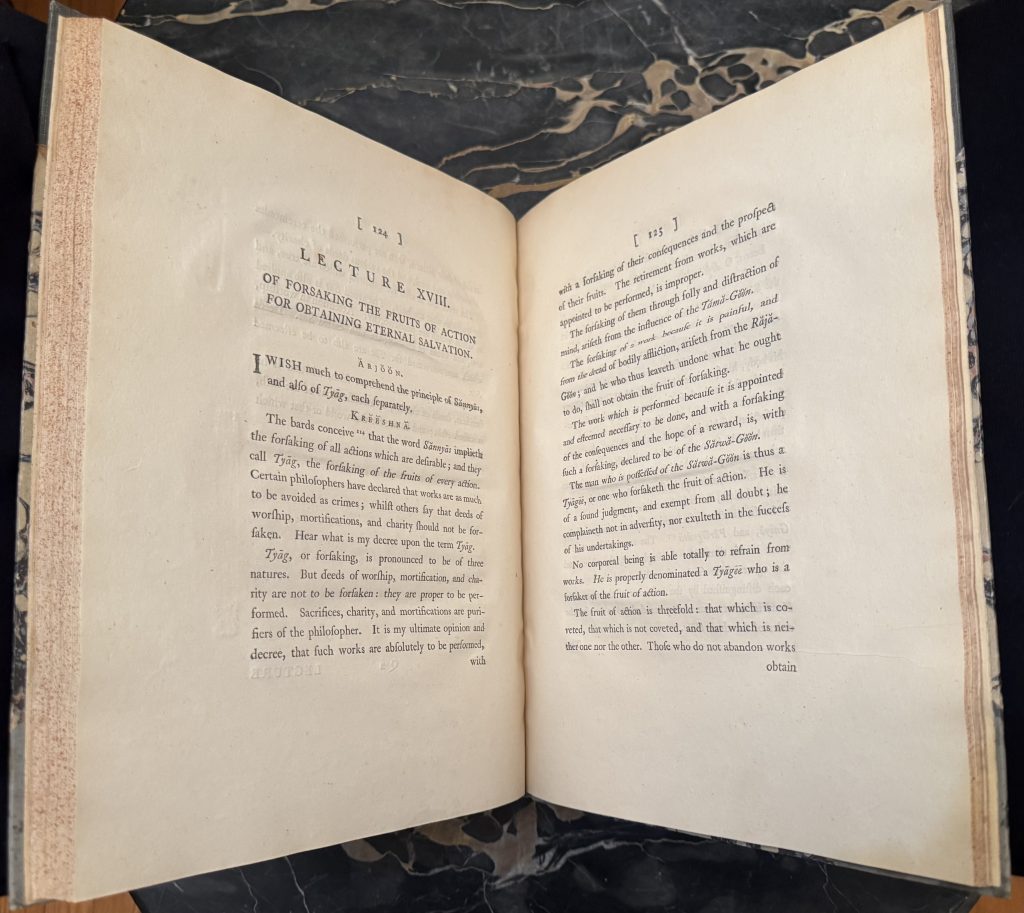
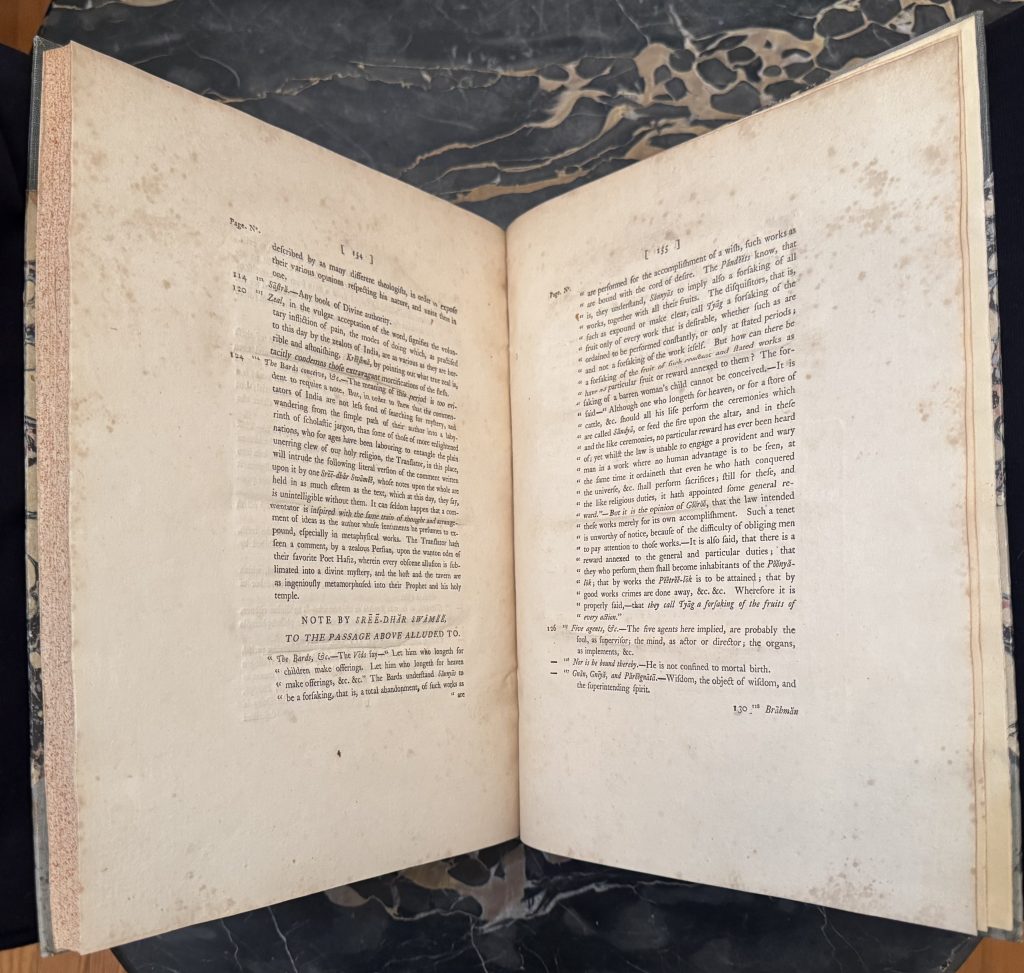
Charles Wilkins (1749-1836). The Bhagvat-Geeta, OR Dialogues of Kreeshna and Arjoon. In Eighteen Lectures, With Notes. London: Printed for C. Nourse, 1785, Quarto.
The extremely scarce and monumental First edition of the first Sanskrit book translated into English.
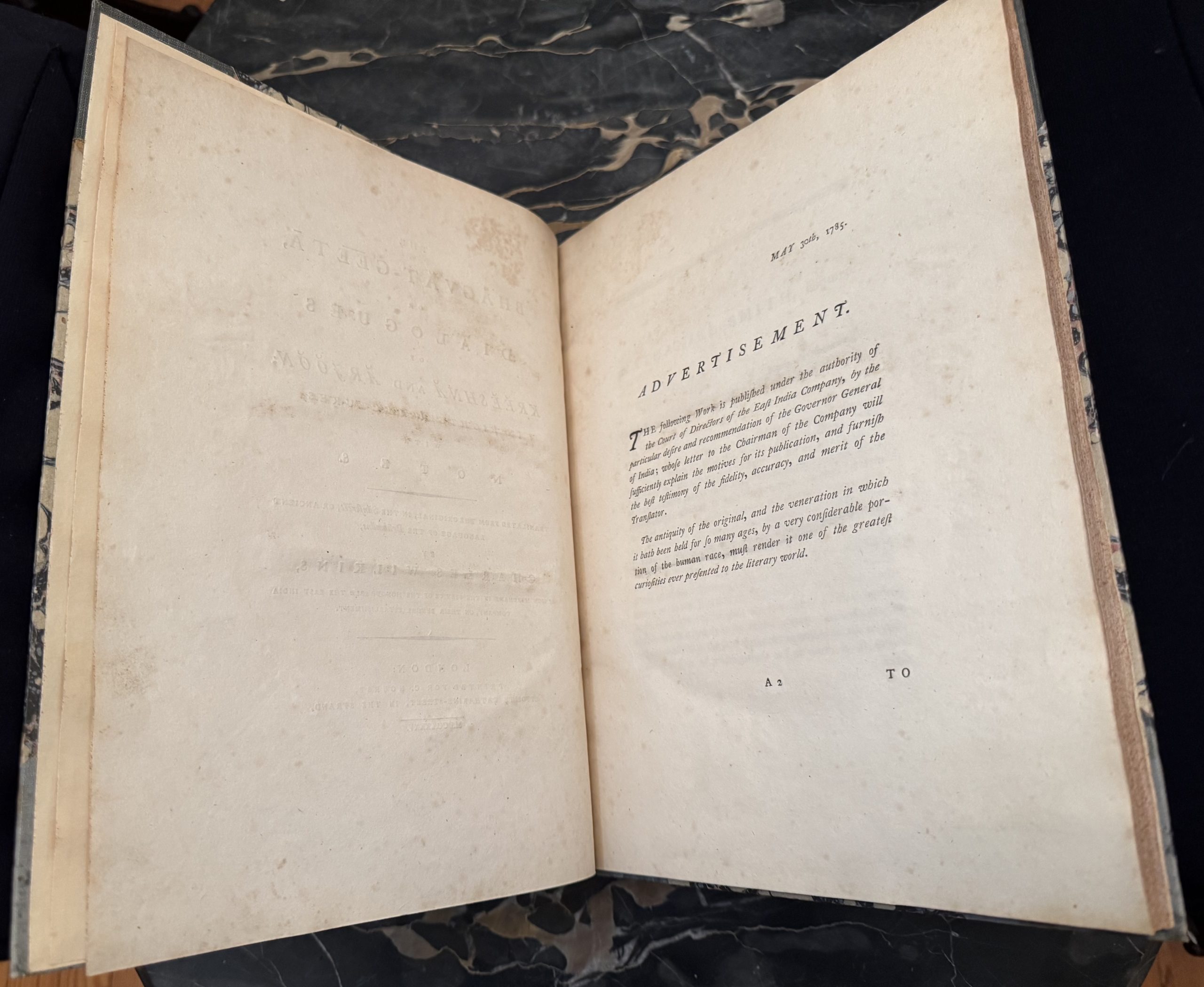
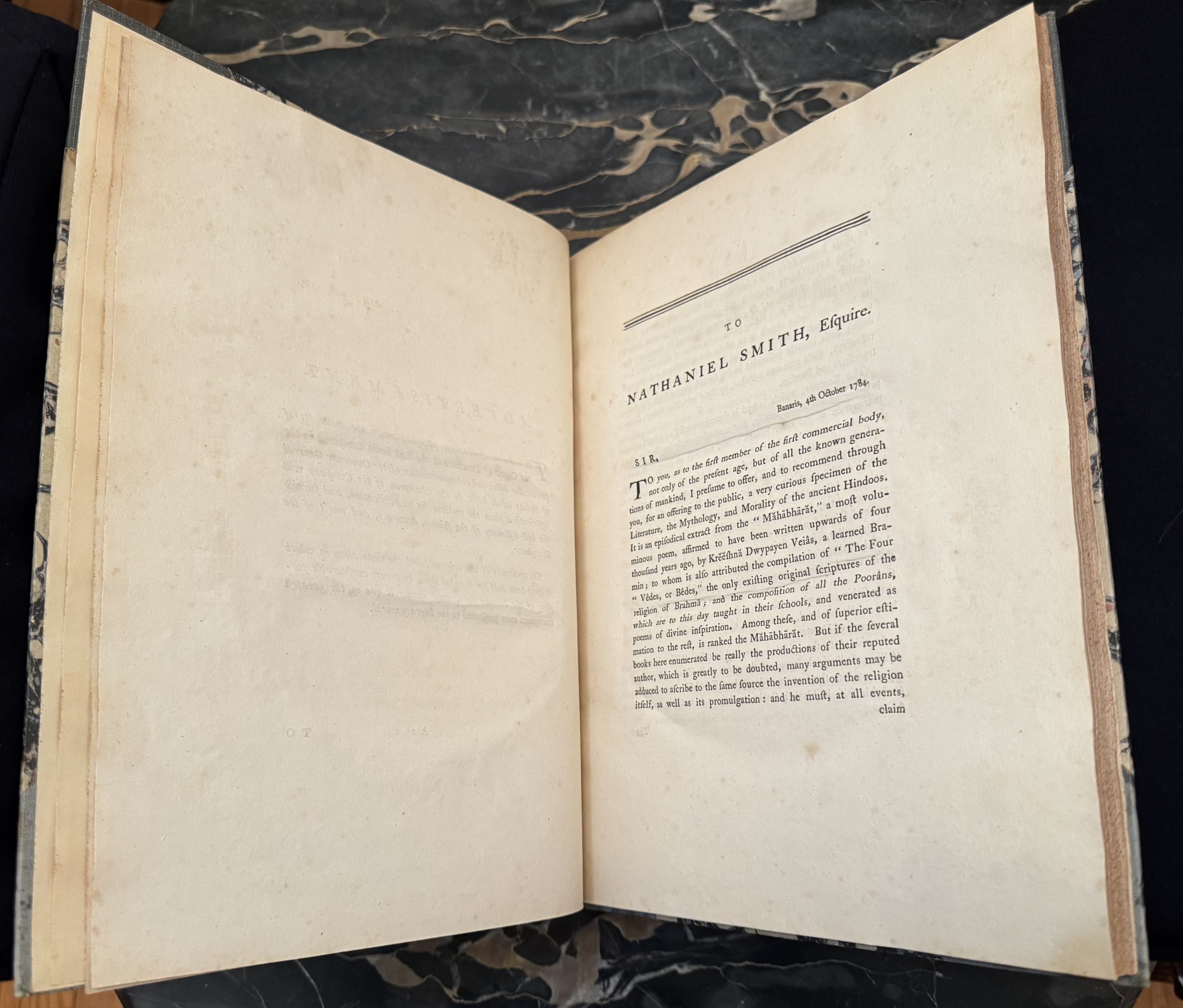
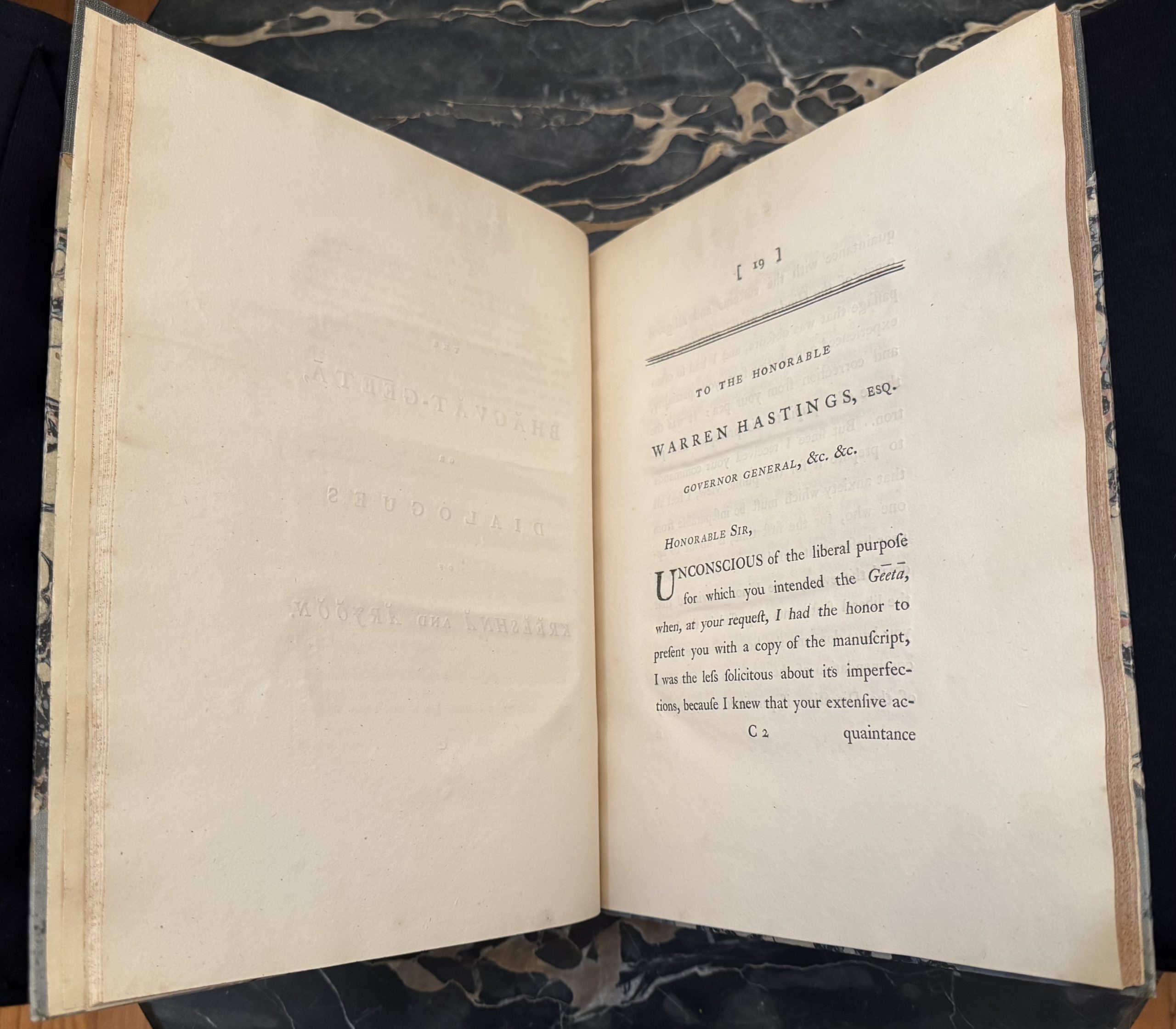
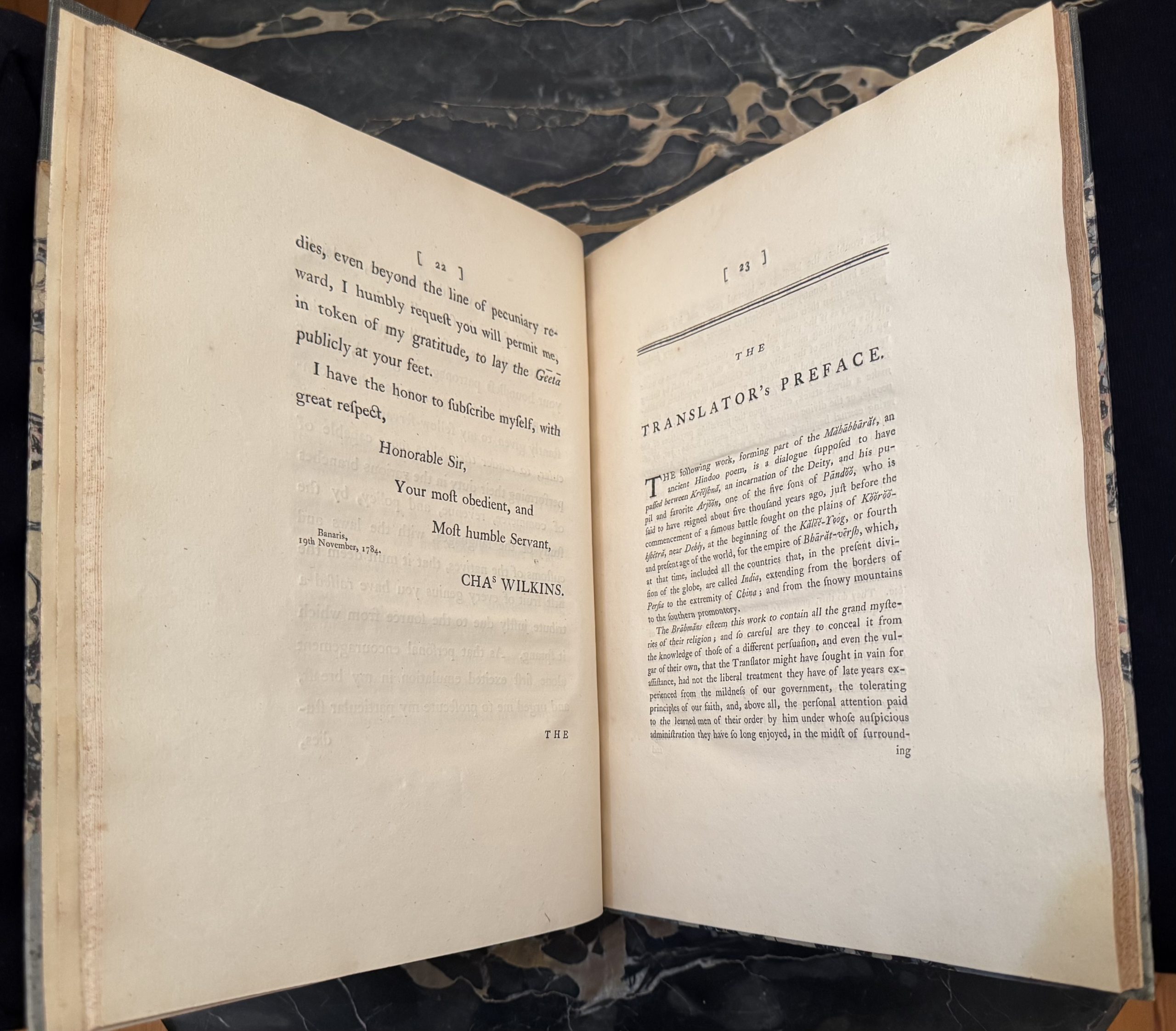
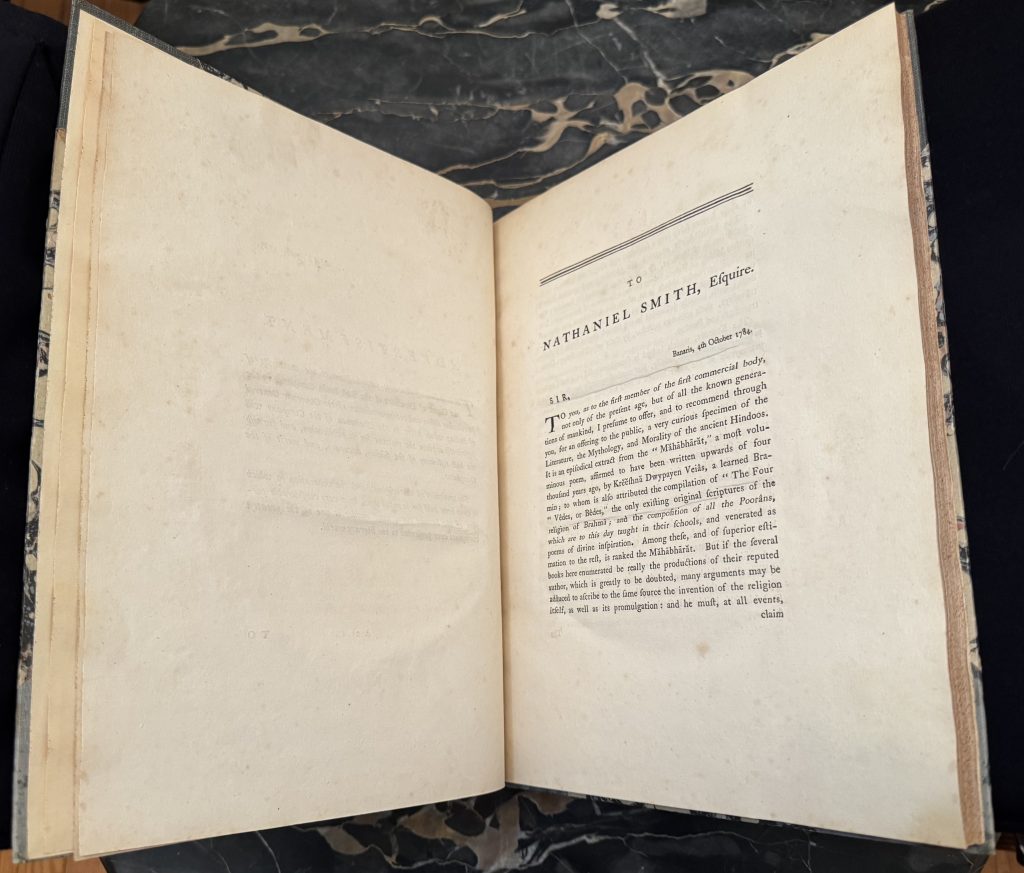
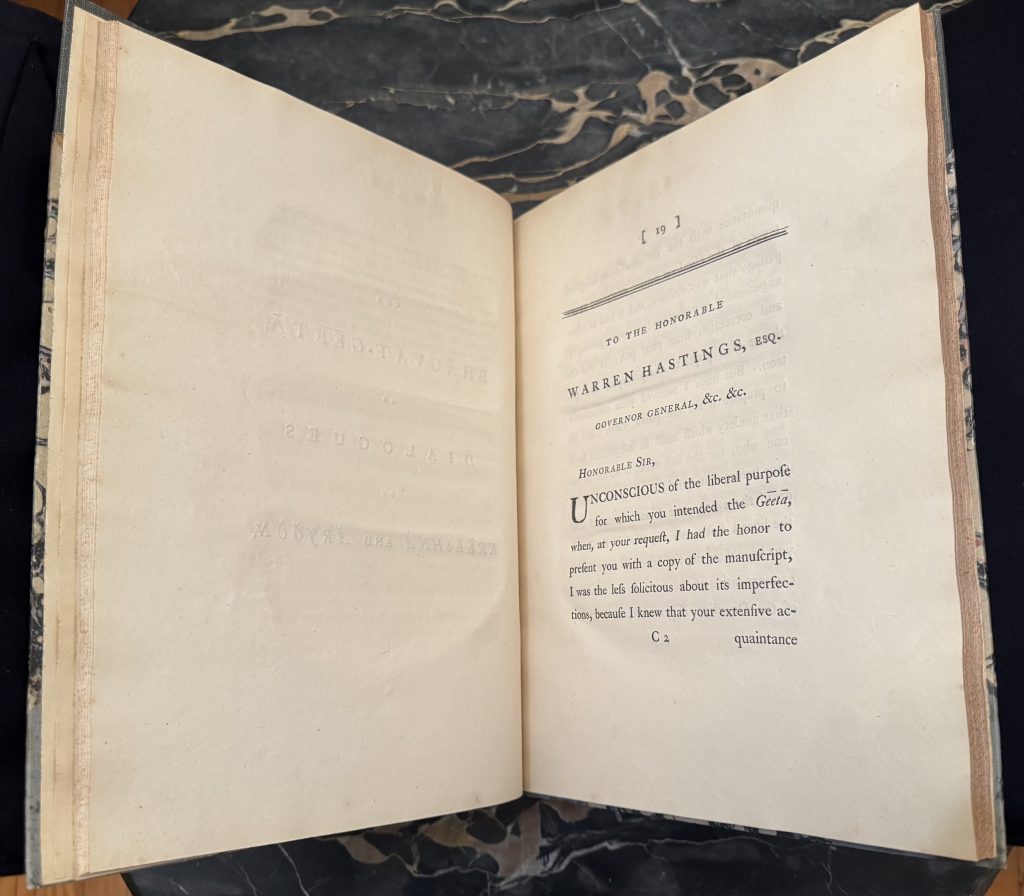
This English translation of the Bhagavad Gita is the greatest accomplishment of notable Orientalist Wilkins, founder of the Asiatic Society of Bengal. Published by the East India Company in 1785 under the patronage of Governor General Warren Hastings, this translation had a profound impact on some of the greatest Western intellectuals of the time, including Carlyle and Emerson. The Geeta was later translated into French, German, and Russian.
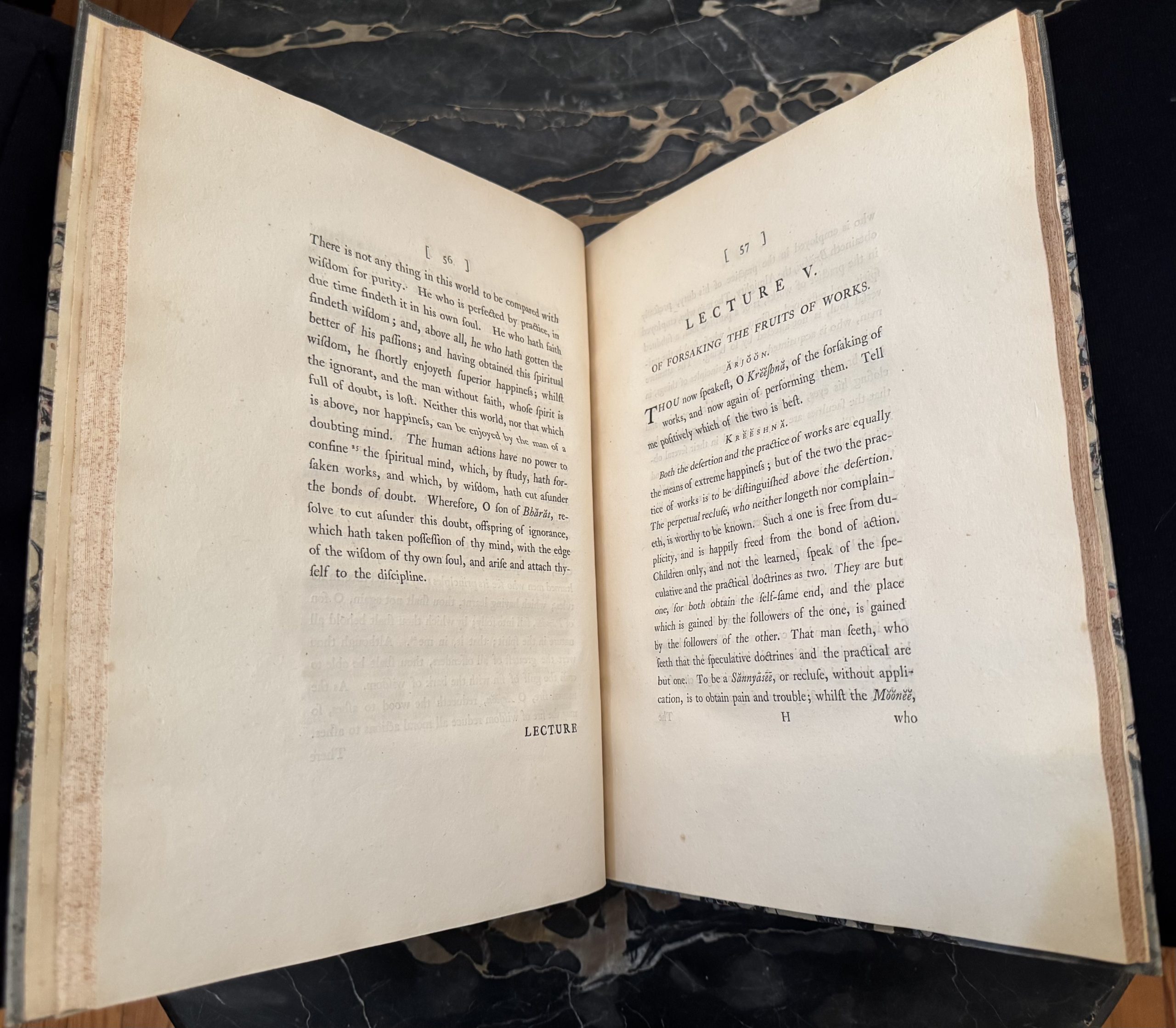
The Bhagvat Geeta is part of the sixth book of the Mahabharata, the great Indian epic. During the battle of Kurukshetra, the Lord Krishna (friend and charioteer of Arjun) offers words of wisdom to the Pandava prince Arjun and this set of philosophical dialogues between them is a central text of Hinduism. The poem consists of 700 Sanskrit verses divided into 18 chapters (here, “lectures”). In Hinduism, Krishna is regarded as the human incarnation of God Vishnu. One may recall the famous Radha-Krishna love-songs and stories that form the bedrock of romantic literature in Sanskrit and other languages such as Maithili, Bengali etc.
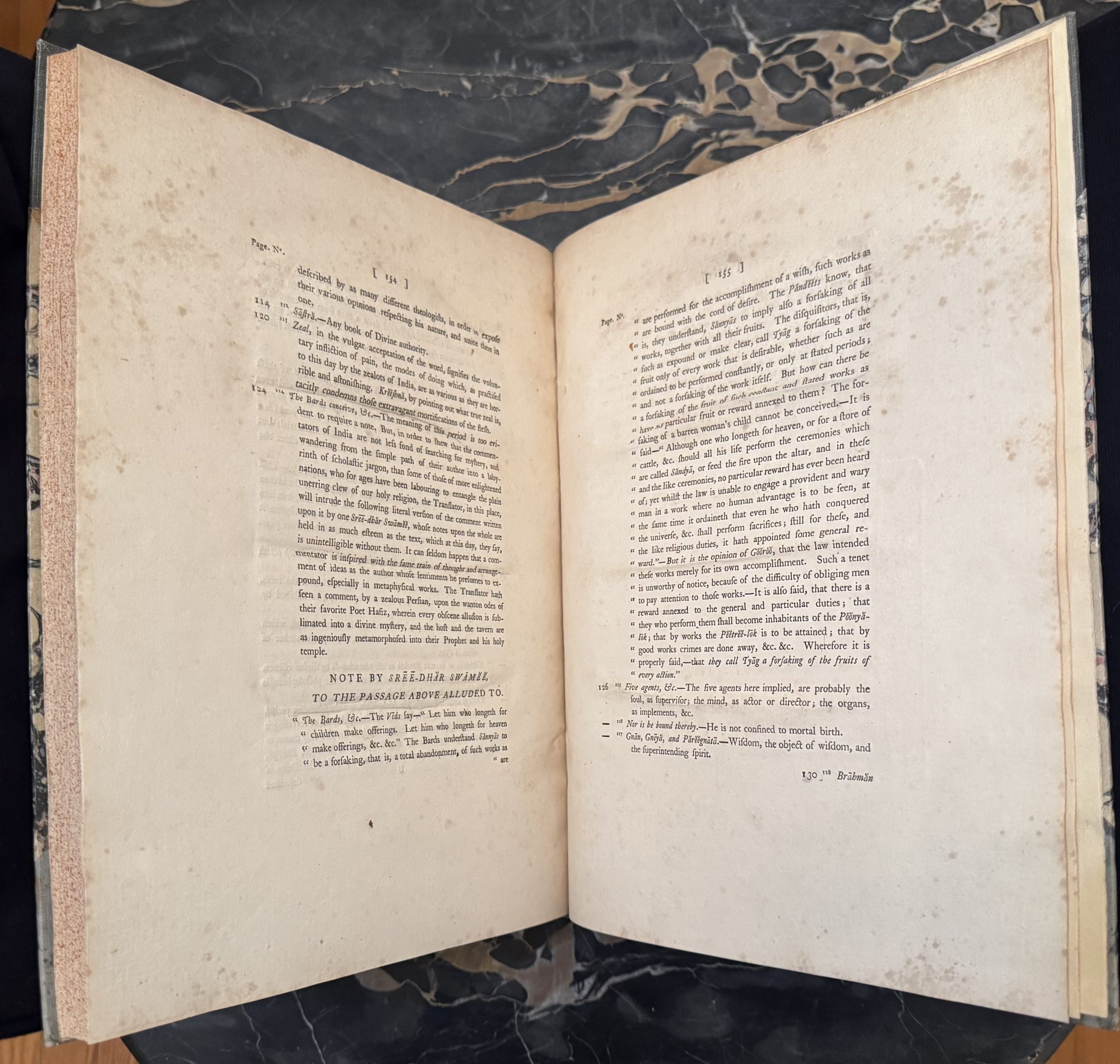
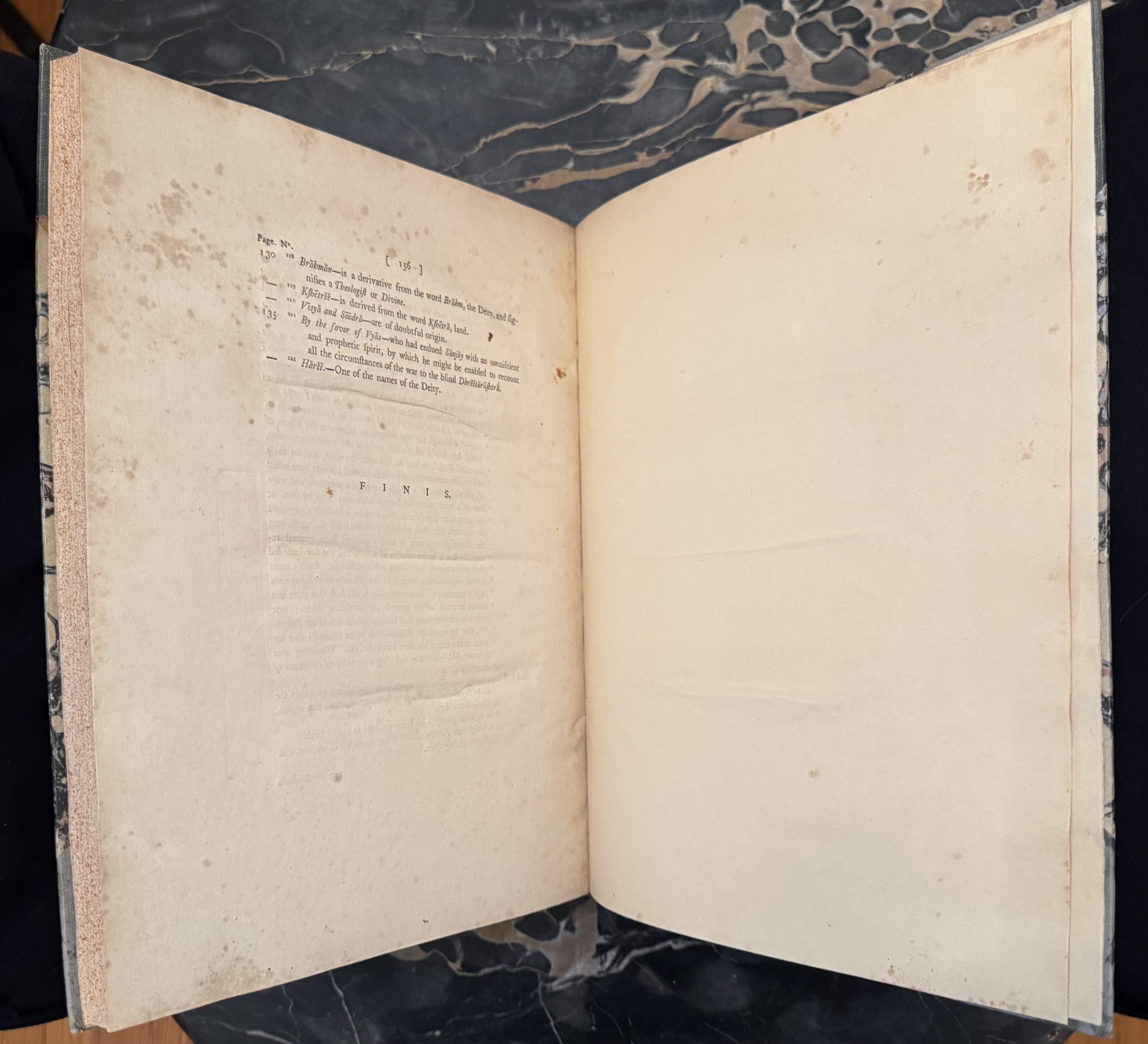
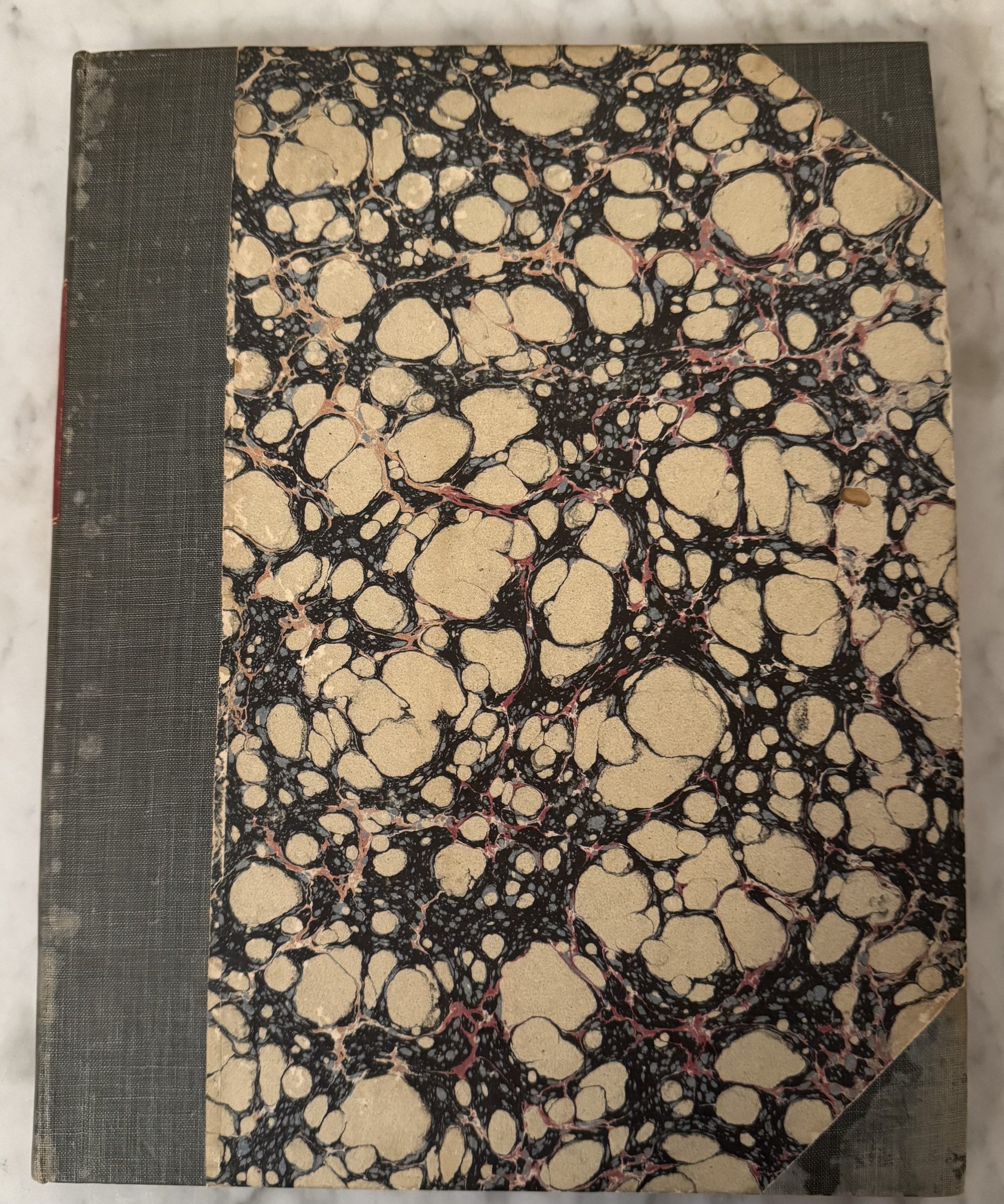
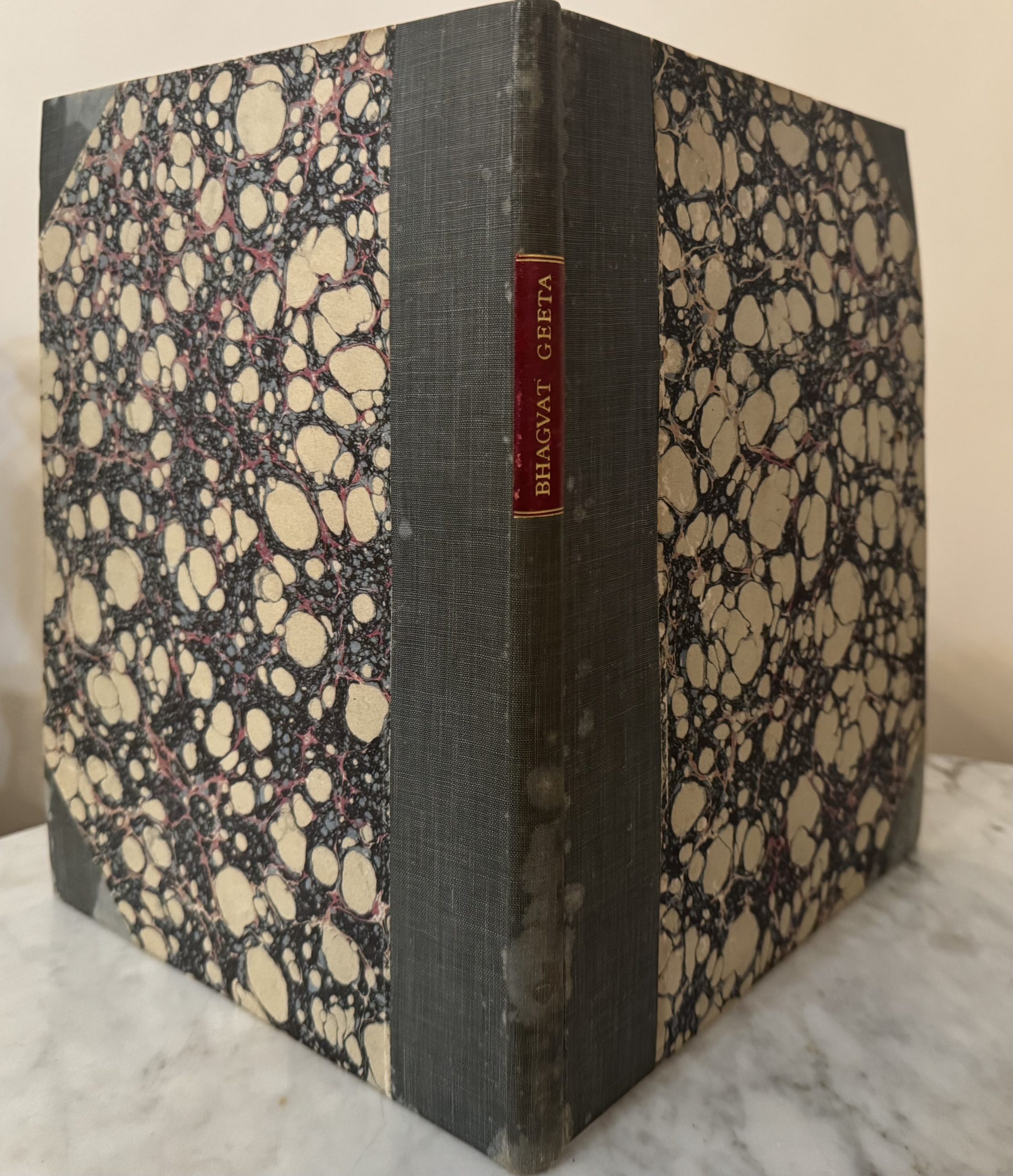
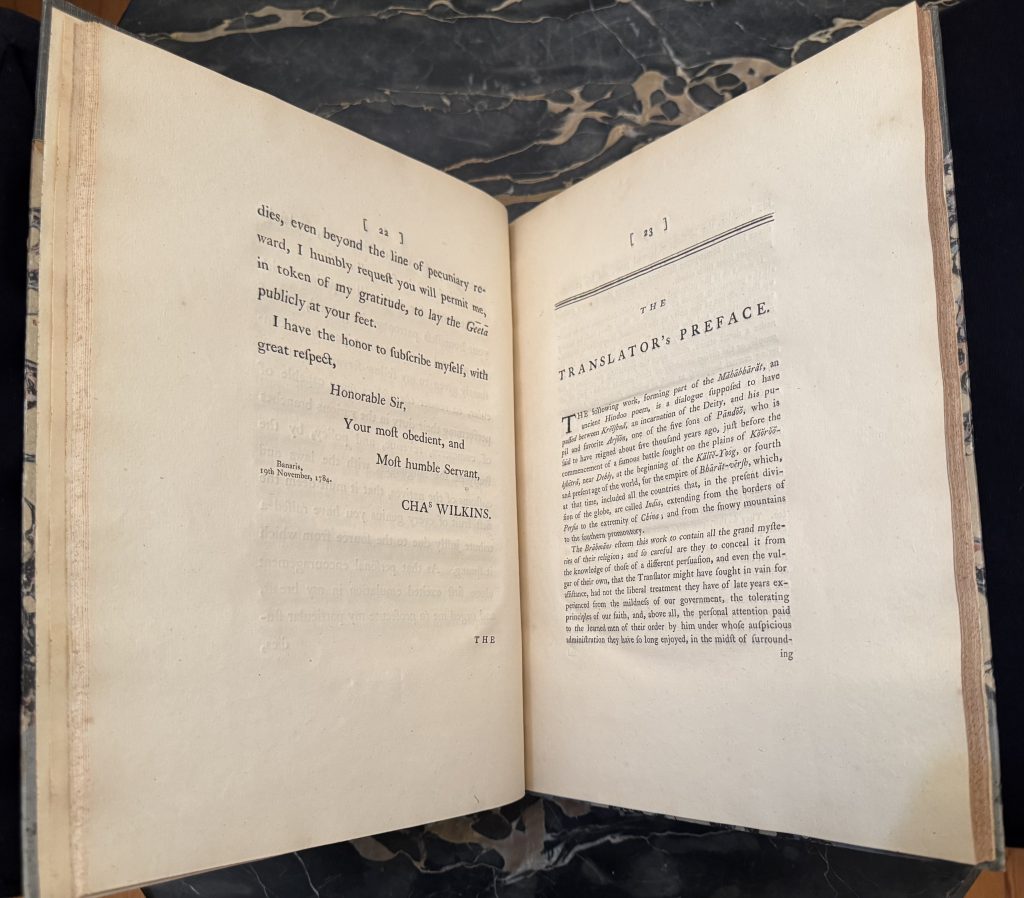
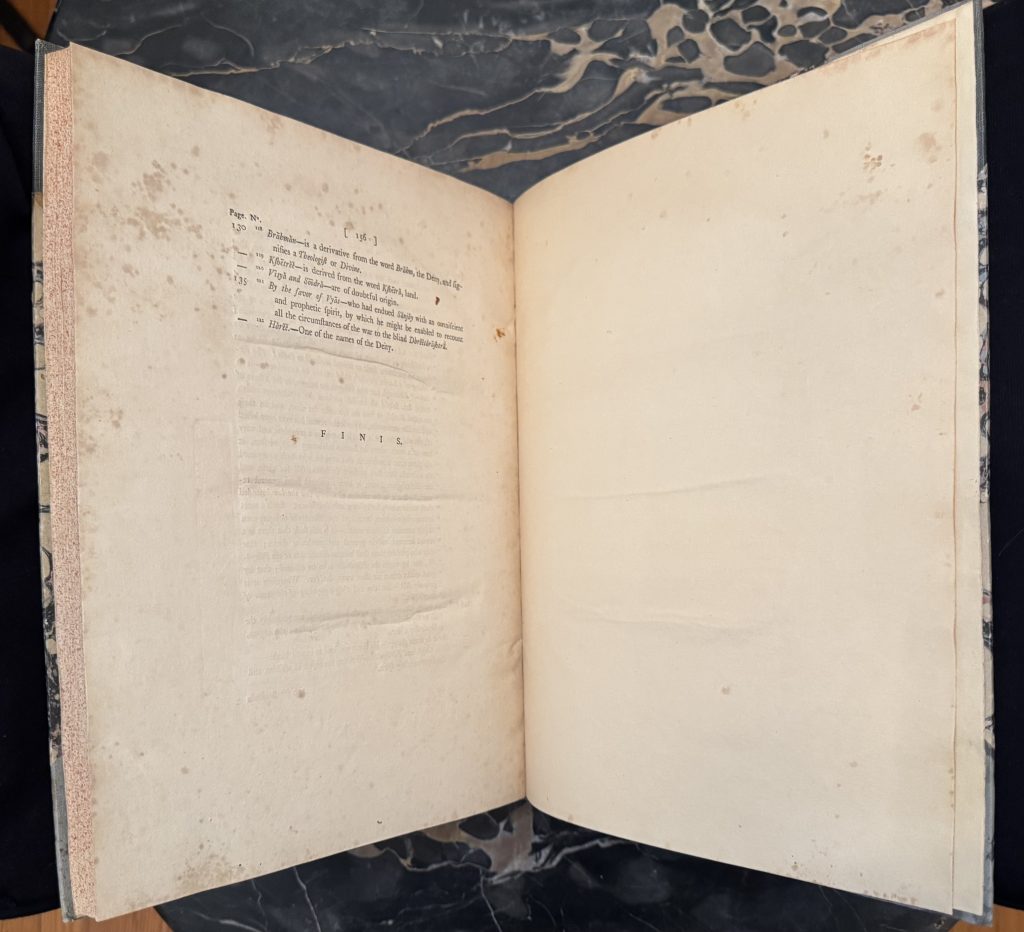
Condition– Very Good, light spotting to the margins of a few pages, otherwise internally sound, with texts bright and unmarked.
Bibliographic Details
Title: The Bhagvat-geeta, or dialogues of Kreeshna and Arjoon; in eighteen lectures; with notes
Publisher: C. Nourse, London
Publication Date: 1785
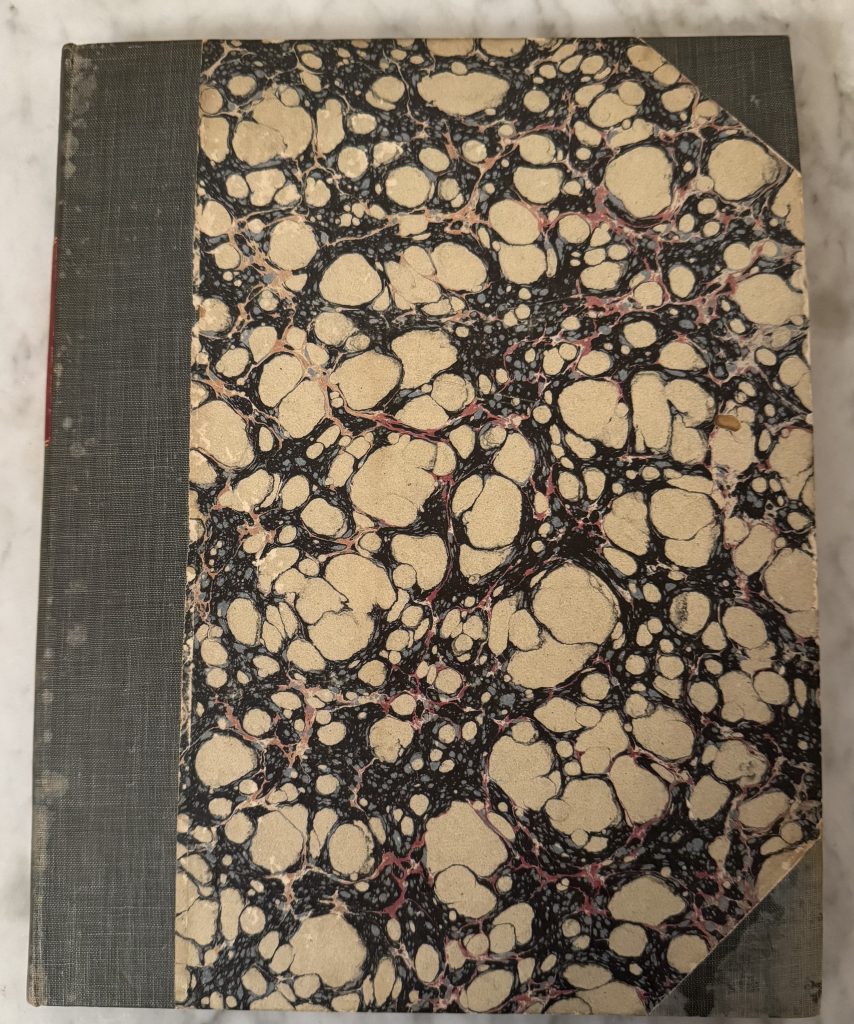
Binding: Hardcover
Condition: Very Good
Edition: First